Stoves

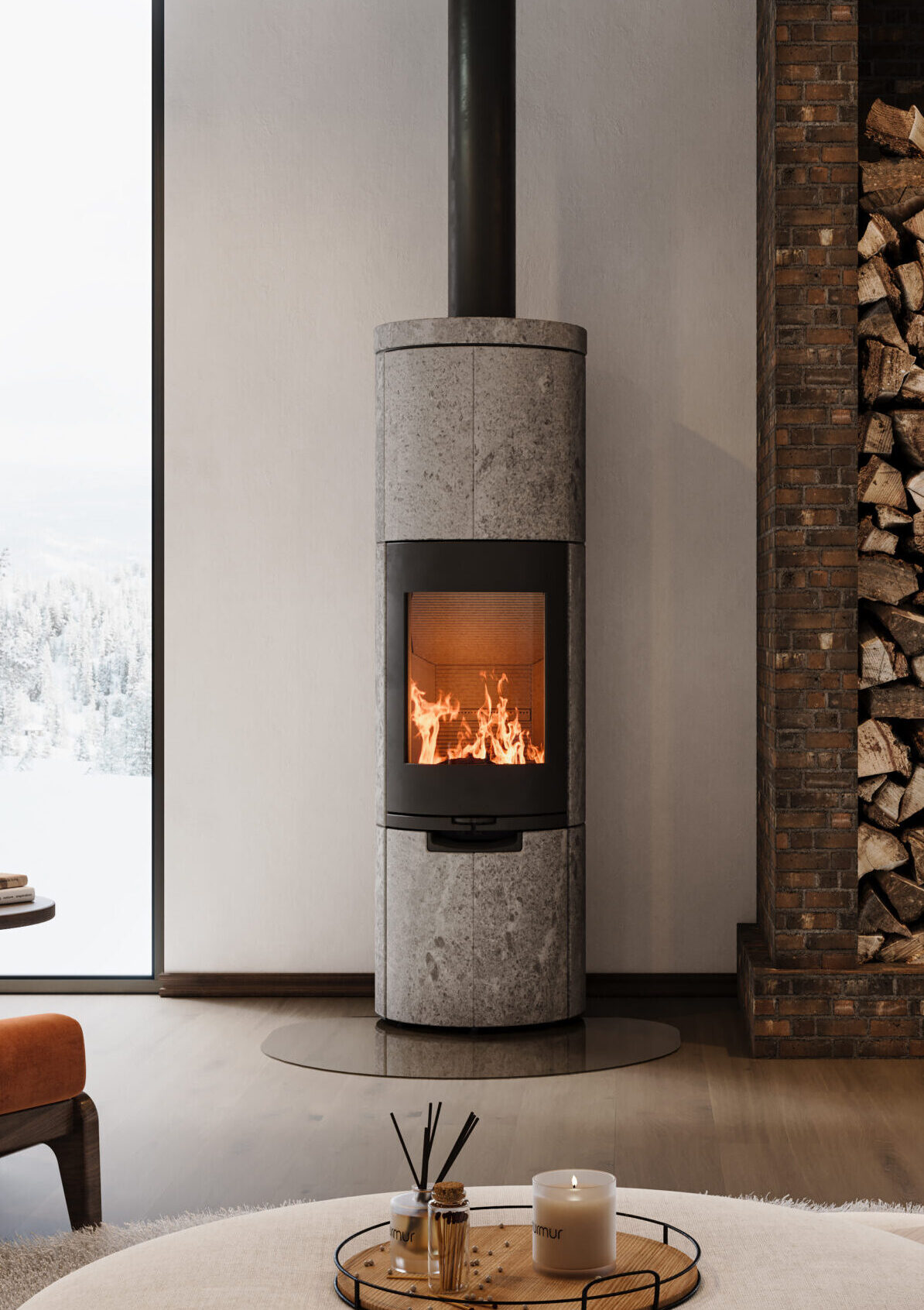


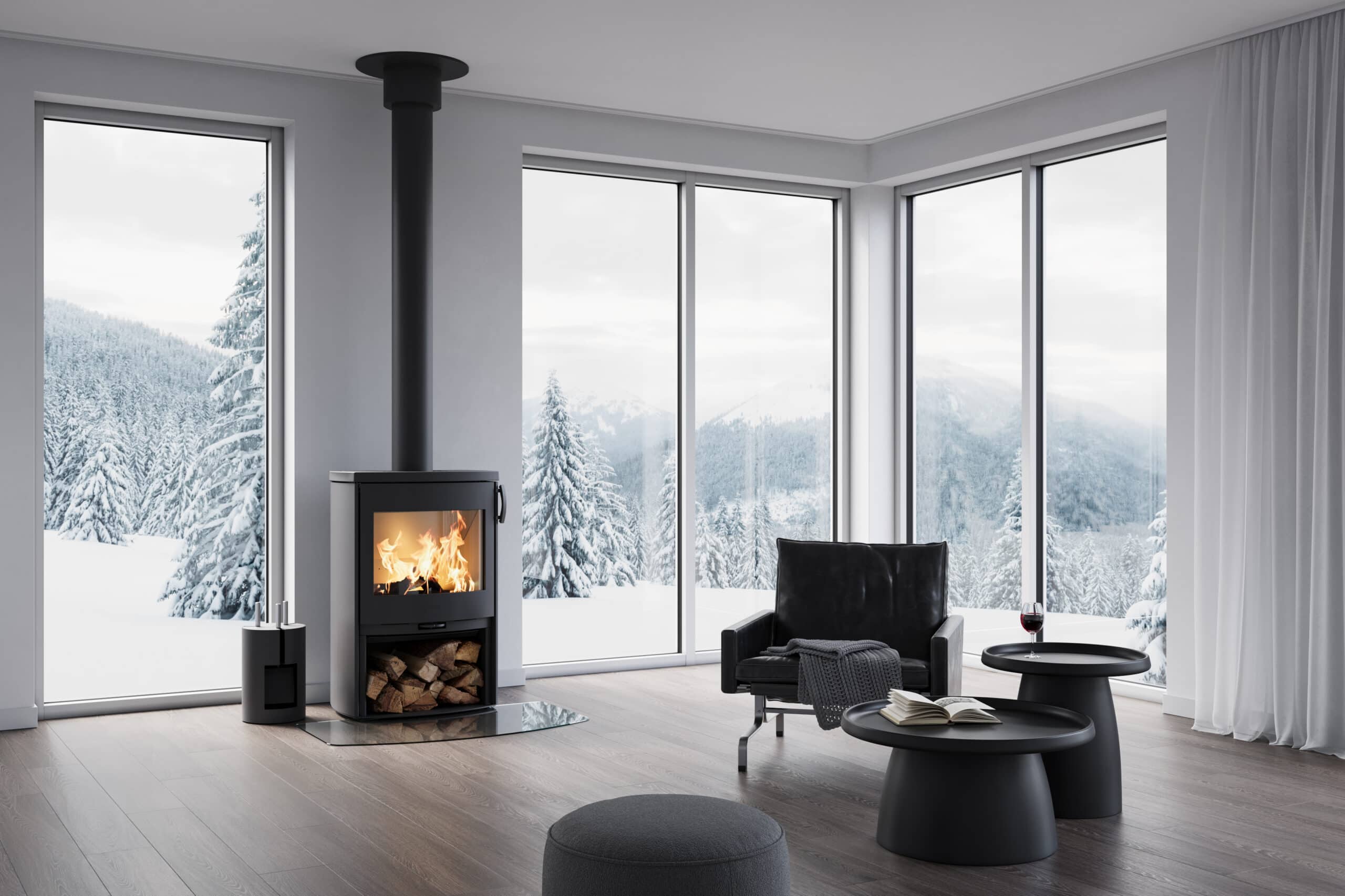
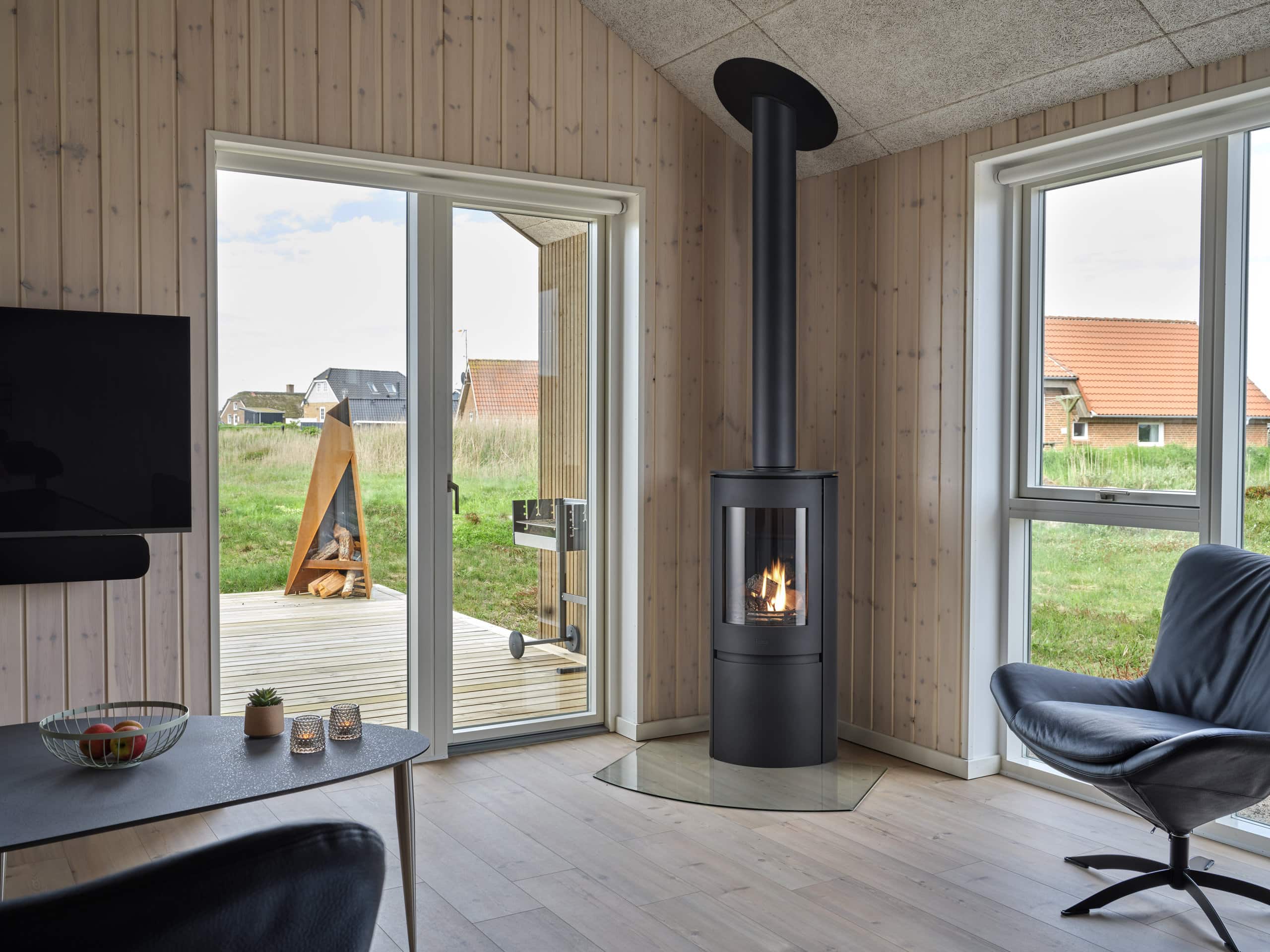
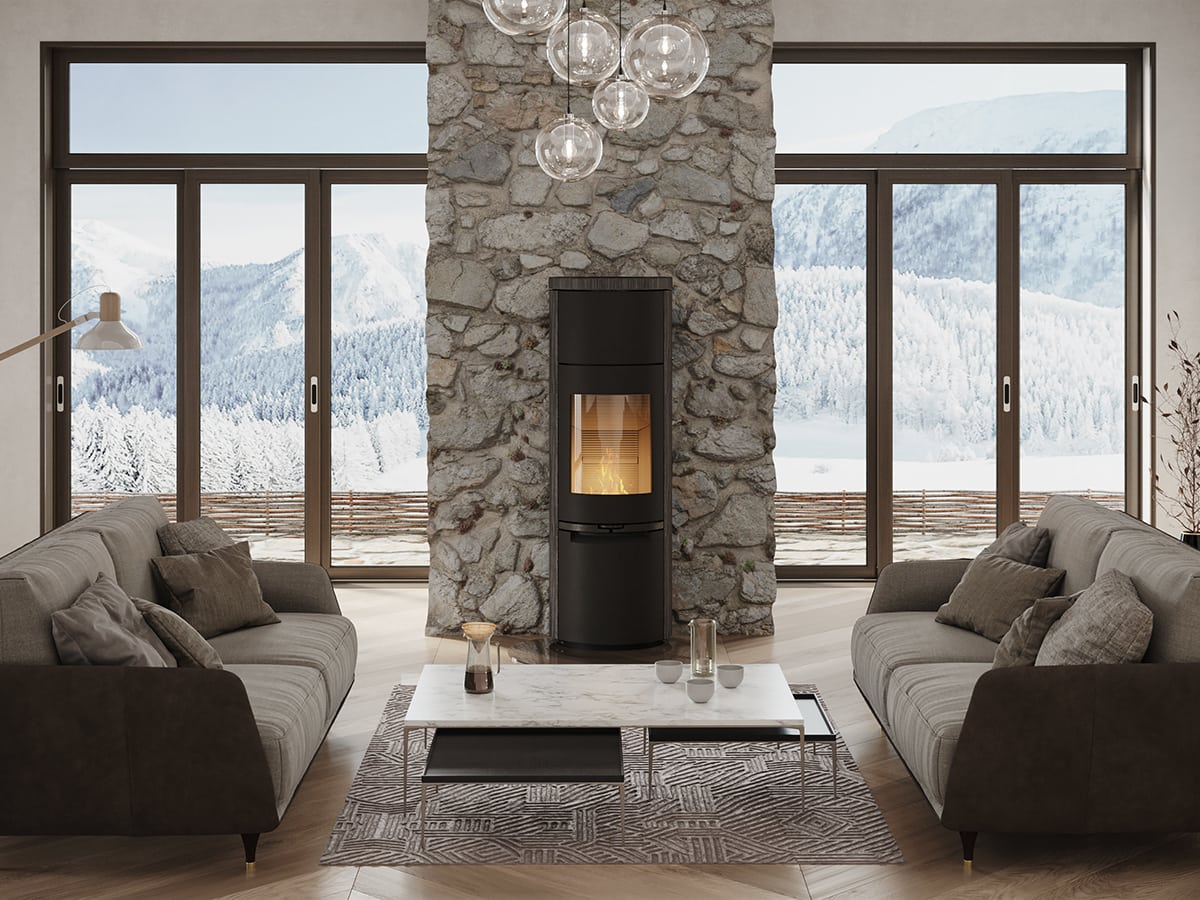
Stoves from HETA spread cosiness
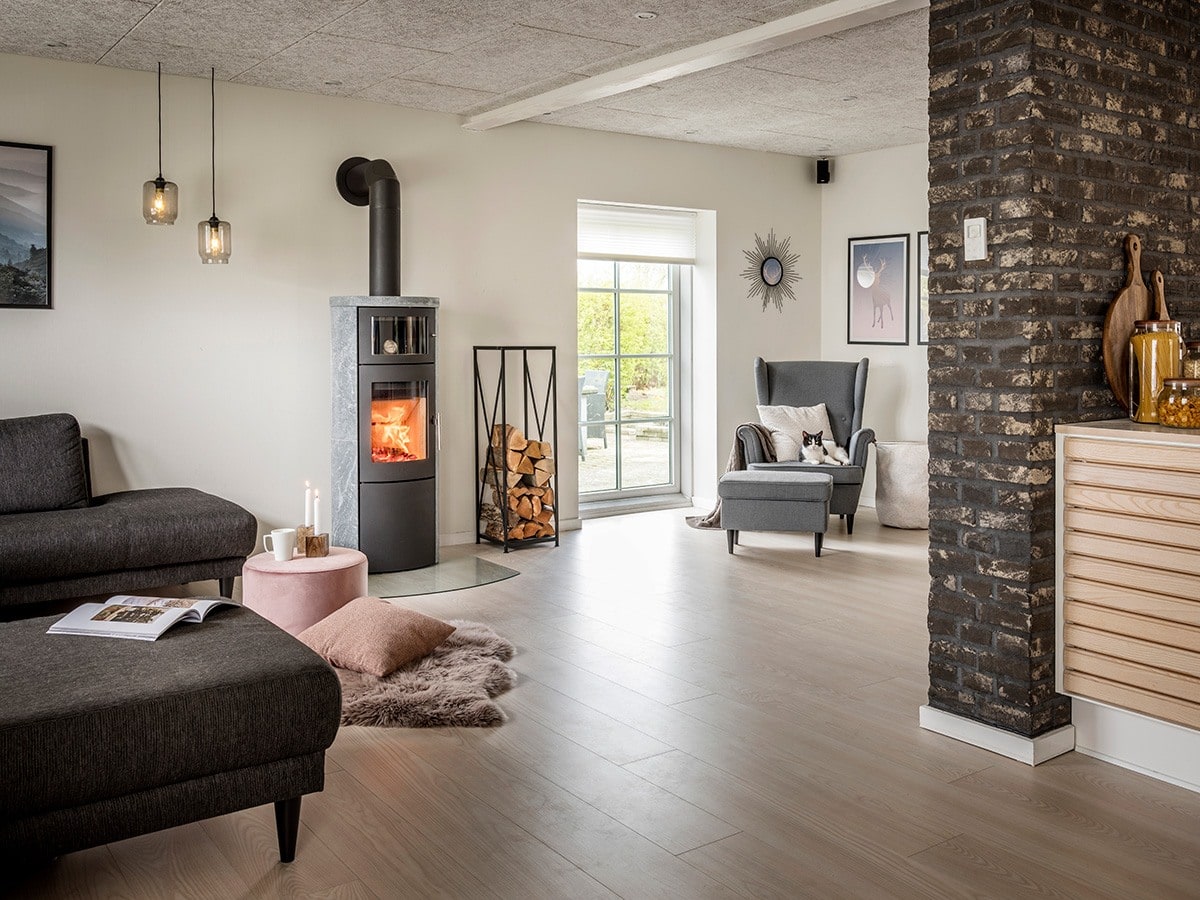
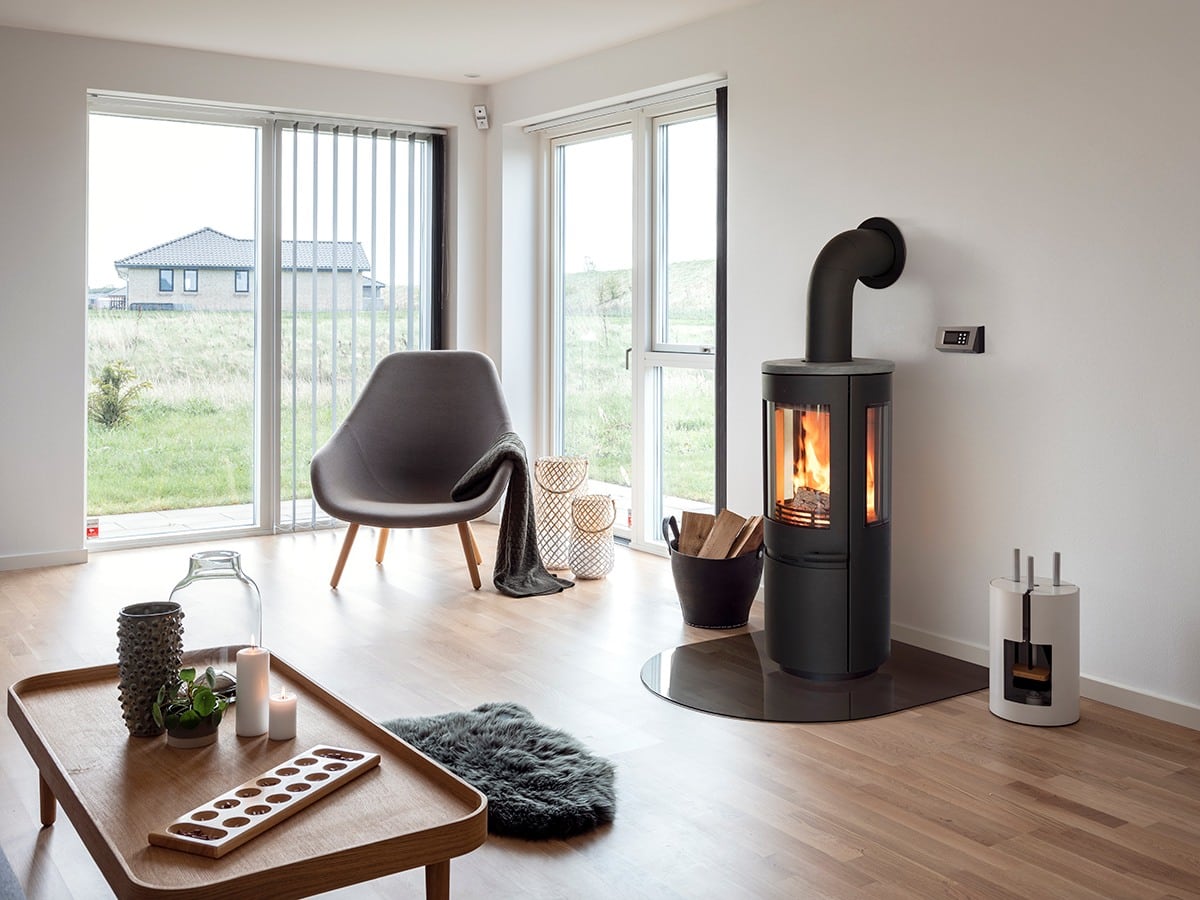
A wood-burning stove from HETA is a cosy and sensible addition to your home. All our stoves are built for continuous use thanks to robust construction and high-quality materials.
A wood-burning stove from HETA is equipped with a patented large ash pan of either three or eight litres.
Stoves from HETA are also available with heat-distributing stones. This allows heat to be stored and makes for more efficient heating compared to ordinary stoves.
Made in Denmark
All wood-burning stoves from HETA are designed and manufactured at our factory in Lemvig, Denmark. HETA is excellent quality for anyone who appreciates Danish design.
All stoves are inspected before they leave the factory. In addition, you, of course, get a five-year warranty on your HETA stove’s firebox.
All HETA stoves have very high energy conversion efficiency, so you get more out of your firewood.
HETA’s wood-burning stoves are some of the most clean-burning stoves in Europe. They are tested according to the applicable EcoDesign rules in Scandinavia and Europe. HETA’s completely unique fireboxes and air channels mean that CO2 and harmful particles are reduced as much as possible.
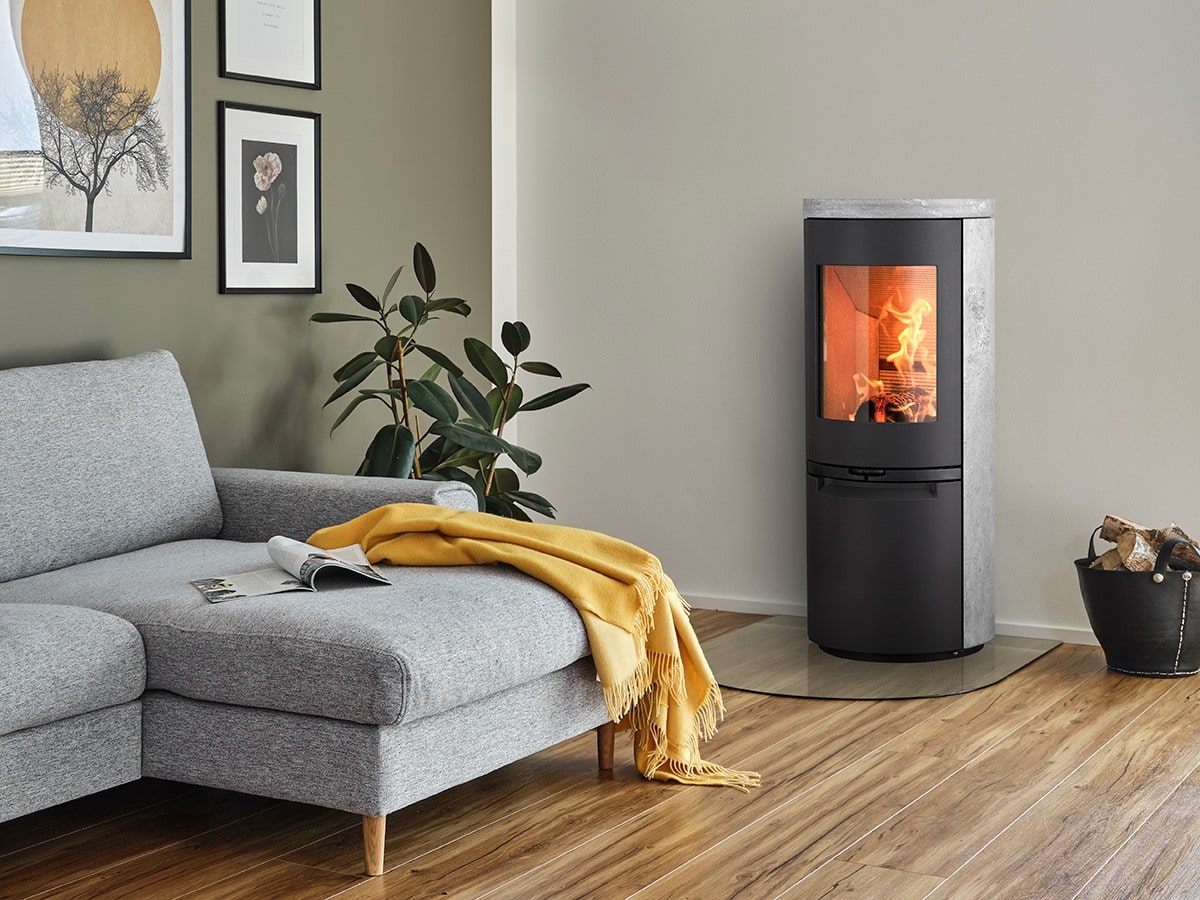
HETA’s stoves are made of Swedish and German quality steel. You can combine them with ceramic in several colours, soapstone or sandstone of several different types so you can get your own completely unique stove that suits your living room.
Wood-burning stove
Do you also love the wonderful heat that a wood-burning stove provides? We can understand that. There is something very special about a house or holiday home with a fire in the stove. With a wood-burning stove in your home, you can also save on other heating costs.
Choice of stove
Like many others, you may be in doubt about which size of wood-burning stove you should choose for your house, flat or holiday home? It’s easy to fall in love with a certain design, but unfortunately that’s not quite enough if you want to get the most out of your new stove. It is quite crucial that you buy the right size and the right type of stove.
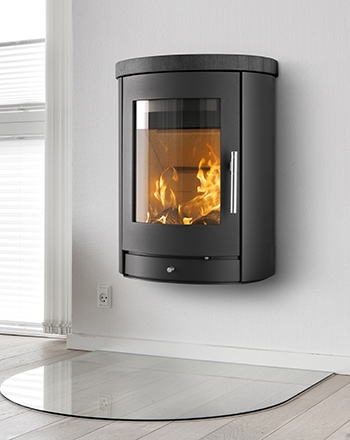
Freestanding stove or wall-mounted stove
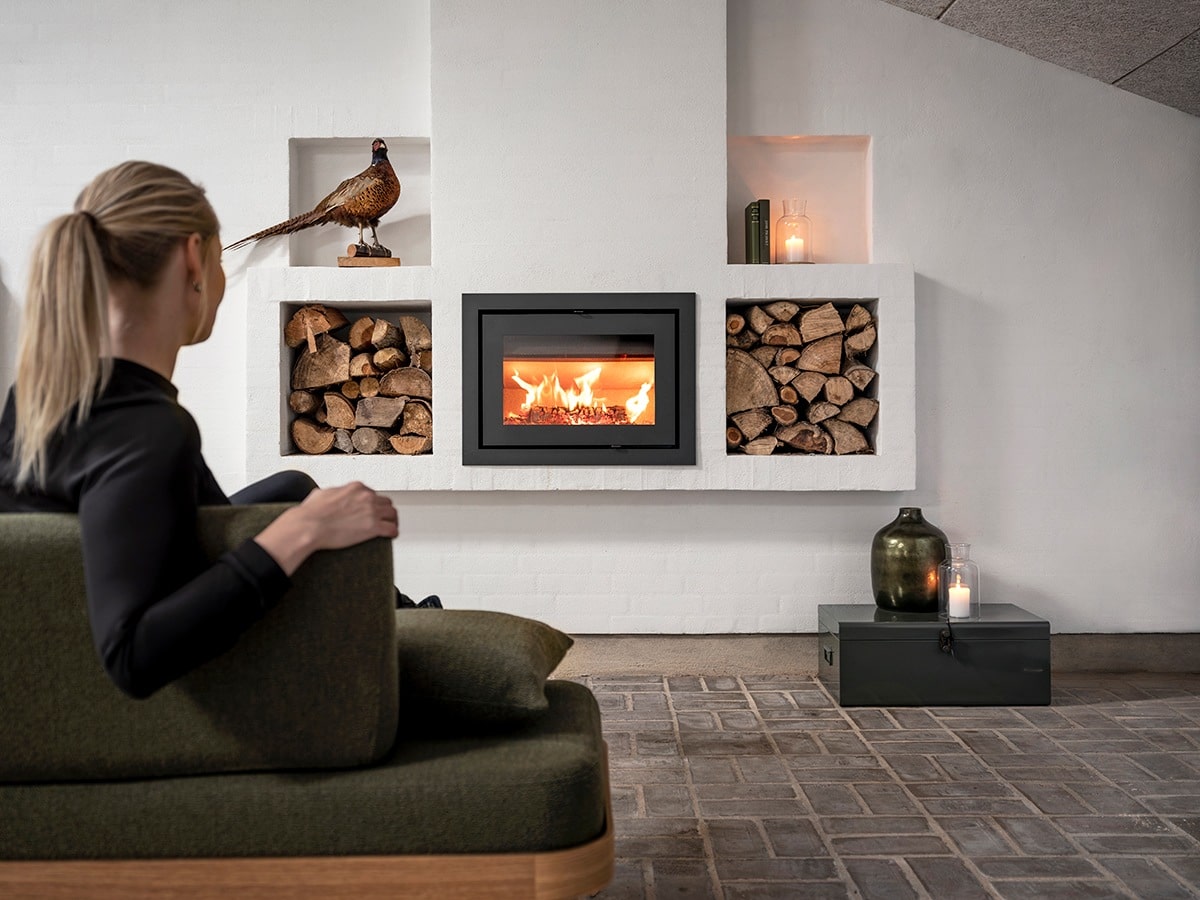
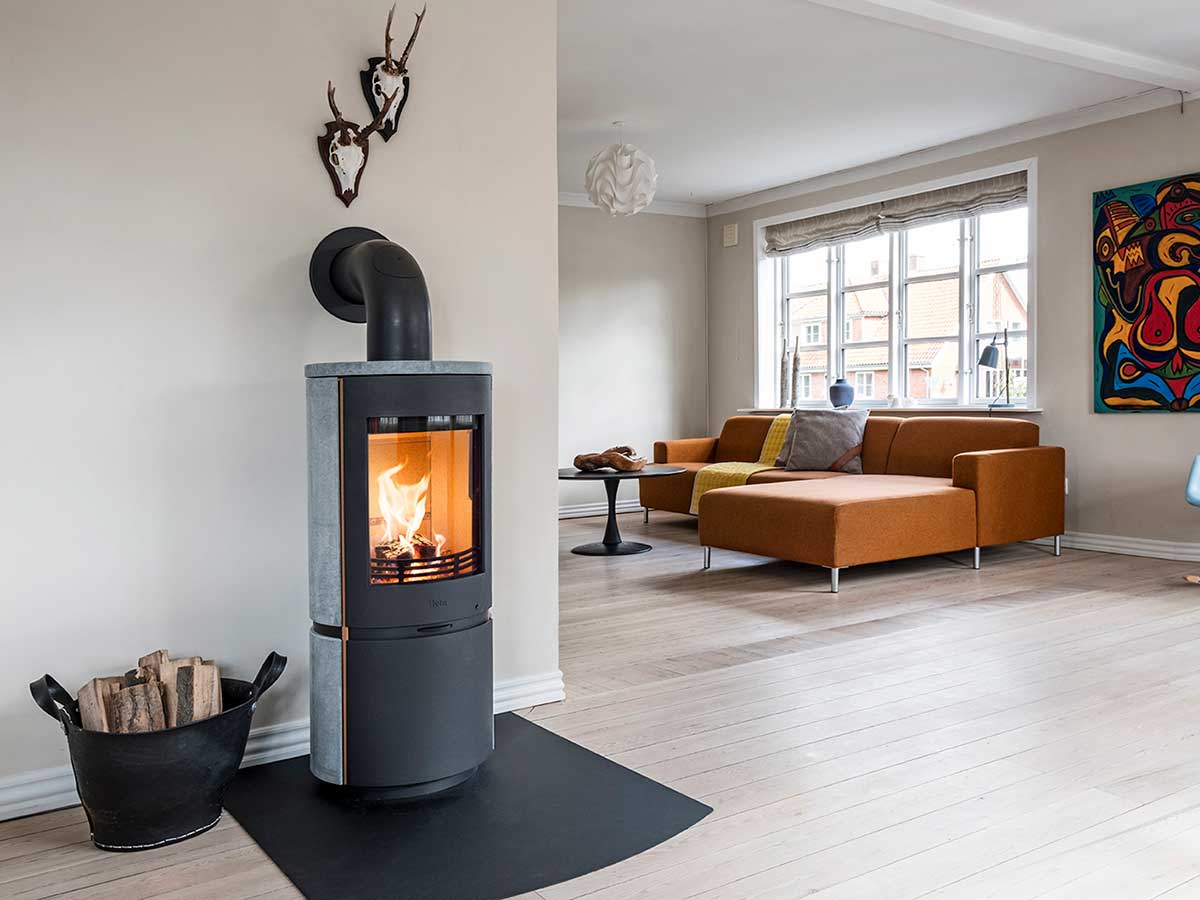
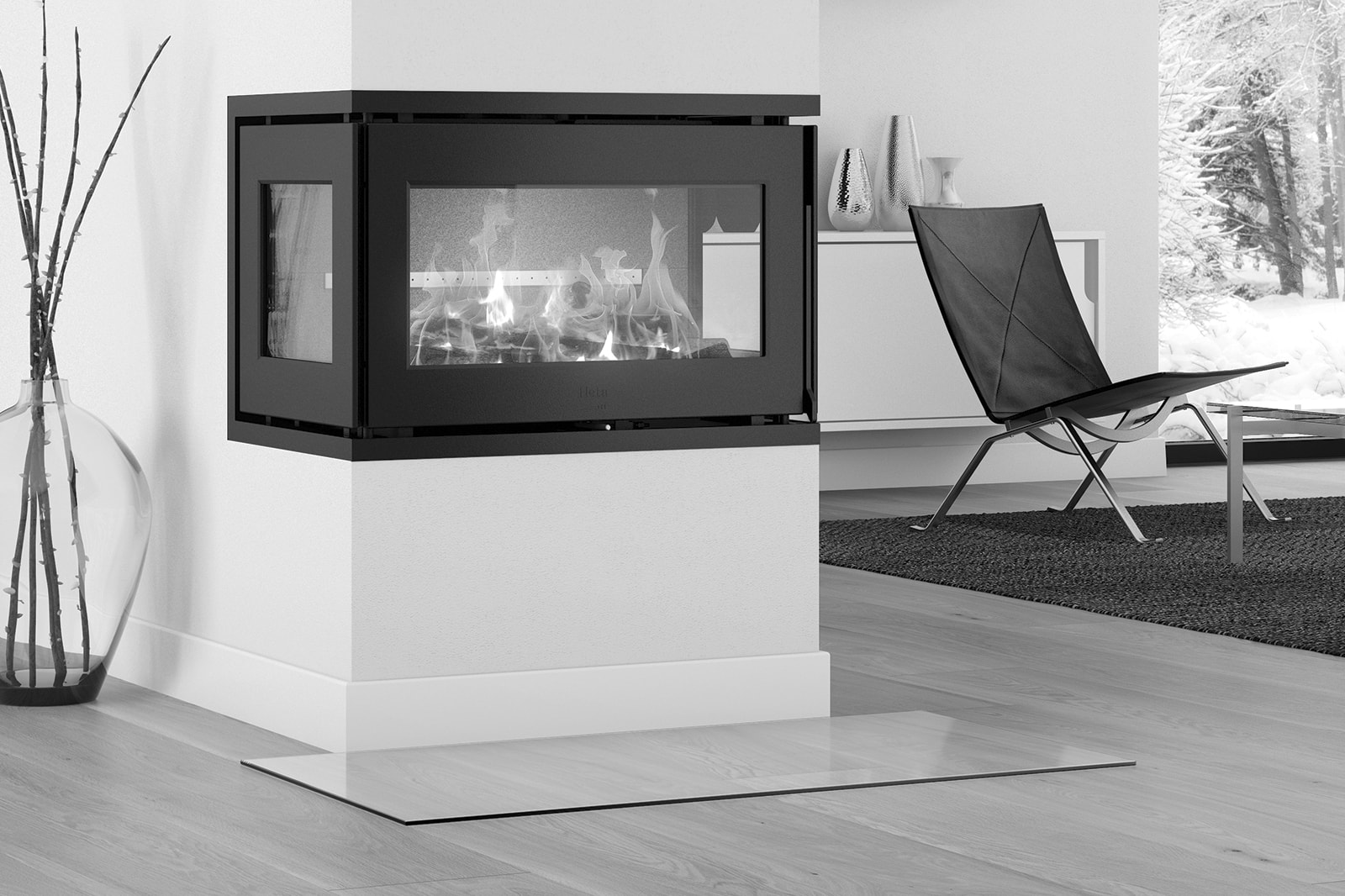
You can get a wood-burning stove that stands on the floor, but you can also get a wall-mounted stove or a built-in stove. Your choice depends on where your stove will be, whether you will use it in an existing house or new-build. If you are building a new house, it is a good idea to consider the stove from the very beginning of the building process.
Tips for a new stove
There are many things you need to decide when buying a new wood-burning stove. So here are a few tips about what to consider before purchasing a new wood-burning stove.
Size of area to be heated
When choosing a new wood-burning stove, you should look at the number of square metres – is the stove to heat up only a small area or your entire house? Where should the stove be? And are there combustible materials right next to it? You should also look at the type of insulation your house has. Many are inclined to buy the stove a bit too big – to be on the safe side. But this can end up being a wrong move because you burn too little and at too low a temperature for that particular type of stove. And this results in poor combustion – and thus damages the environment.
1 kW heats 20 m2
The heat output of a wood-burning stove is measured in kW. If your house is well insulated, approximately 1 kW is needed to heat 20 m2. If, on the other hand, your house is poorly insulated, 1 kW can only heat around 10 m2. If the stove is your primary heat source, you should typically go for a thermal mass stove, which releases heat over many hours – up to as many as 17 hours.
If your wood-burning stove is not your primary heat source but just needs to provide a little extra heat, then you should typically look for a stove or fireplace with an output of between 3-5 kW – this covers the heating needs of an average detached house.
Radiant heat or convection heat
The most widely used system today uses the principle of convection. Here, air circulates between an inner and an outer steel casing. The hot air rises and heats the room. With a convection stove, you get an even heat, and the convection stove can be closer to something that can burn than a radiant stove. Therefore, it is important that you think about where you want to place your wood-burning stove. You get a more intense heat with a radiant heater – and it can be good for smaller rooms.
Steel, sheet iron or cast-iron stove
You can get a good wood-burning stove made of either steel, sheet iron or cast iron – all materials are suitable for constructing wood-burning stoves. Some are made from a combination of, for example, sheet iron and cast iron – such as HETA’s stoves.
Steel and sheet iron are materials that are relatively easy to use for making attractive shapes for stoves – therefore, these two types of material are widely used for wood-burning stoves today. A stove made of sheet iron also heats up quickly, so you can soon enjoy the heat – at the same time, it cools down rapidly when you don’t need more heat. Stoves made of cast iron are very solid and retain heat longer than steel or sheet iron stoves.
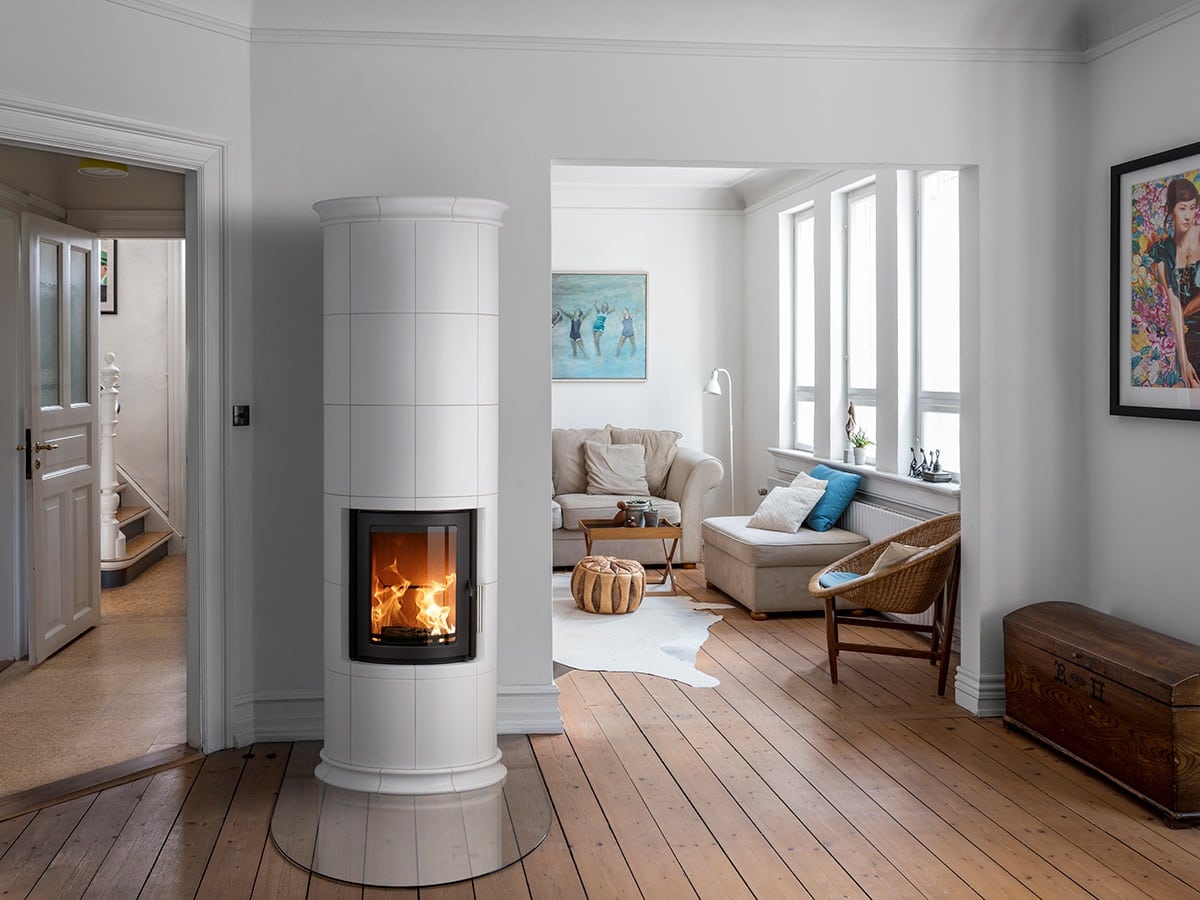
Remember, you can also get wood-burning stoves that are clad with steel tiles, ceramic, soapstone, limestone, granite and sandstone. If you choose a stove made of steel or cast iron, you must be aware that it heats up faster than if you choose a stove with soapstone or tiles. When the fire goes out, it also cools down more quickly.
What type of wood should I fire with?
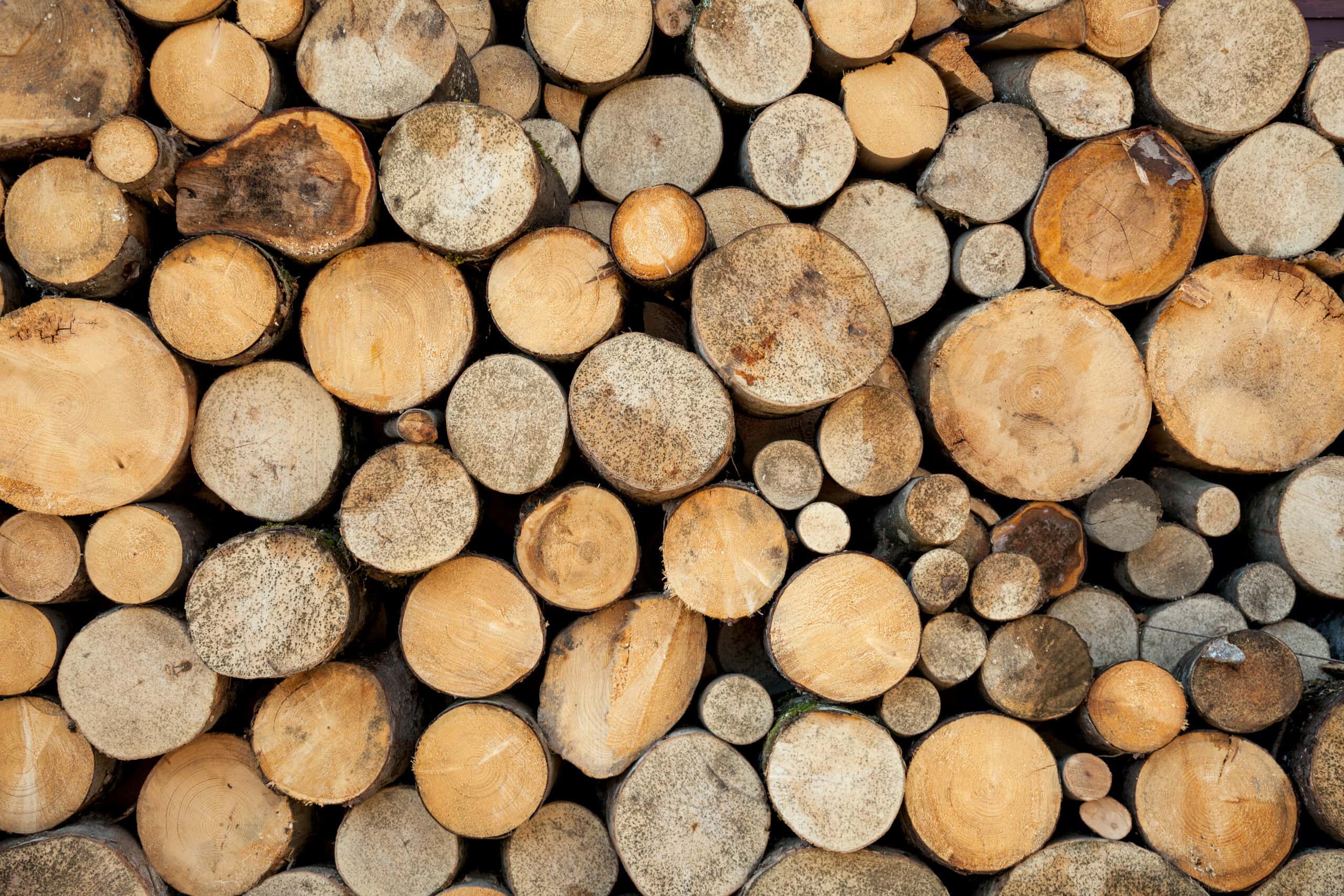
All wood has approximately the same heating value per kilogram – but you can still notice a difference. Oak and beech, for example, are heavy and have greater weight and, thus, greater heating value per cubic metre. Pine, larch and spruce are very light and have a lower heating value per cubic metre. The heavy types of wood can be a little difficult to light up with. Therefore, it is a good idea to light up with the lighter types – for example, pine – and when the fire is well underway, you can put oak or beech in the stove. And then you should keep in mind that you get the best combustion with thin pieces of wood because they heat up faster than large pieces of wood. Large pieces of wood often give off a lot of thick smoke – and that’s not good for you or the environment.
What can you put in the stove?
- Always use dry firewood
- Light varieties of wood, such as spruce and larch, burn faster and are good woods to light up with
- Heavy varieties of wood, such as oak, beech and maple, burn more slowly and are more difficult to light up with
- Feel free to use brushwood for kindling
- You can certainly light up with branches and pine cones
- By all means, use newspapers for kindling
What you must not put in the stove
- Never use wet firewood
- Never use petrol or other flammable liquids
- Never use wood that has been treated – for example, pressure-treated wood or wood that has been painted, glued or varnished
- Never use waste wood with nails and screws
- Never use printed adverts, egg trays or milk cartons
FAQ on stoves
You can light your stove in many ways, but the Danish Environmental Protection Agency recommends that you do the following:
- Place two sizeable pieces of firewood in the bottom of your stove and continue to add on smaller pieces on top.
- Ignite the firewood from the top. It may seem more intuitive to light firewood from below, but you should actually always light from the top, as this will avoid a lot of smoke and harmful substances that are otherwise sent out into the living room and up through the chimney. You get both a cleaner combustion and an increased heating value by lighting from above.
- Make sure that the fire is strong before closing the door.
Are you unsure about whether you are doing it right? Go outside and have a look at the smoke. It should be almost transparent.
When materials such as iron and steel are heated, as they are in a wood stove, they tend to expand a little. This means that pressure is added to the welds and this can make the crackling or ticking sounds that you may have heard. This is, however, completely normal and absolutely harmless.
If the fire goes out and the glass looked sooted, it is because the flames are not getting enough oxygen. This happens if you are using your wood stove incorrectly.
Wood stoves that burn firewood can reach temperatures up to 400 degrees – and they can withstand this without problems. The glass used in modern stoves can withstand even higher temperatures, but still without worries.
If you are nervous about whether your stove is giving off too much heat, you can take comfort in the fact that this is not harmful to the stove at all.
You can use all common types of wood. The firewood must be cut and then left to dry for about 1-2 years in a covered area to achieve a maximum humidity of 18%. Remember that the firewood absorbs a bit of moisture during the winter period. All wood has approximately the same heating value per kg. Oak and beech, for example, are heavy and weight more, which results in a greater heating value per cubic meter. Pine, on the other hand, is very light and has a lower heating value per cubic meter.
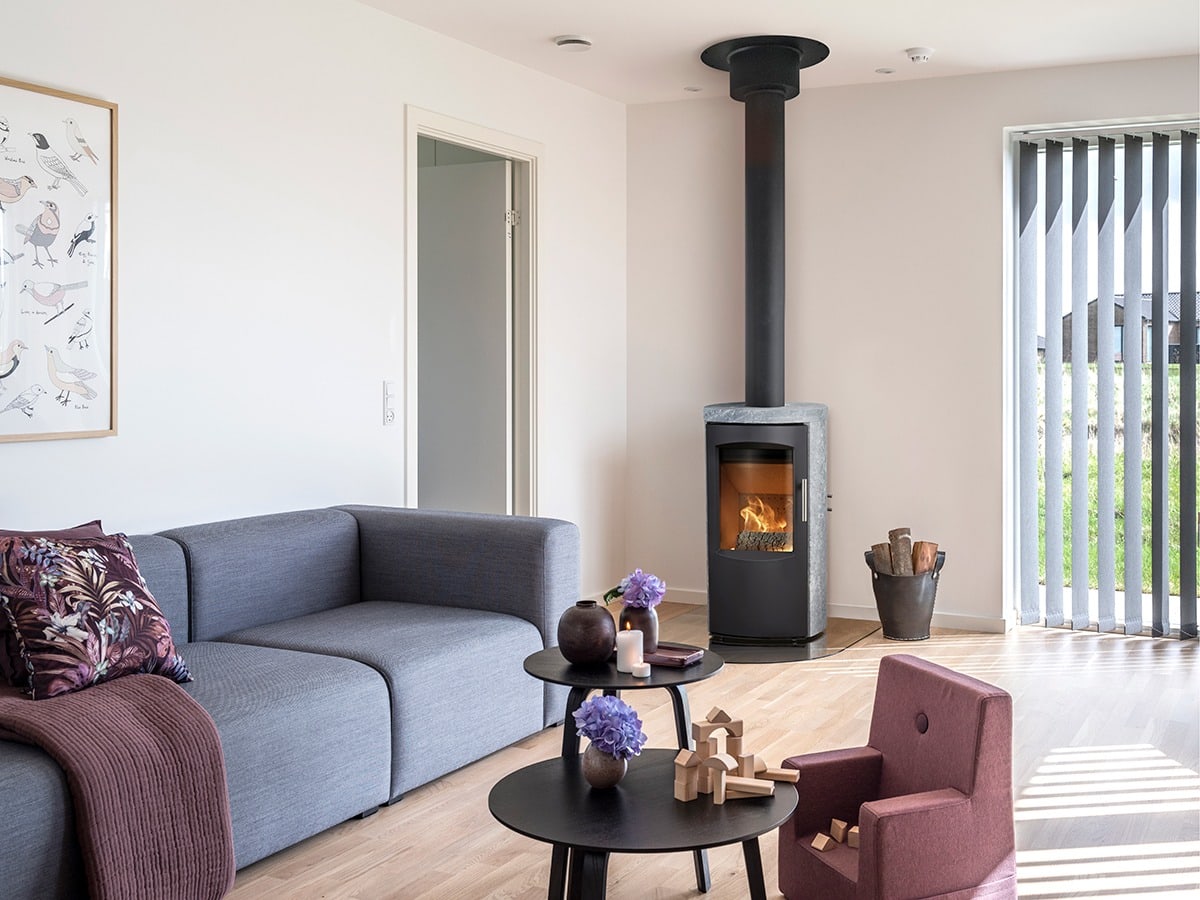
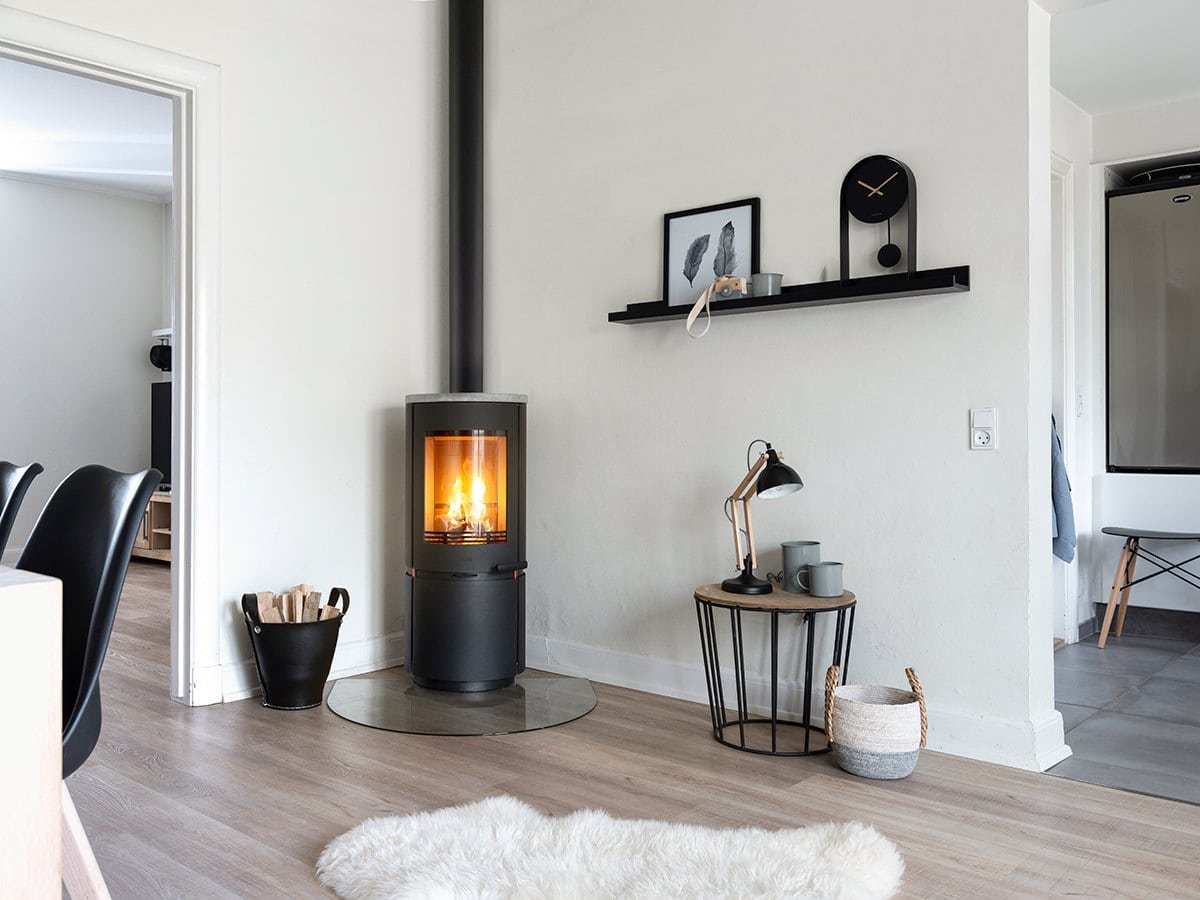
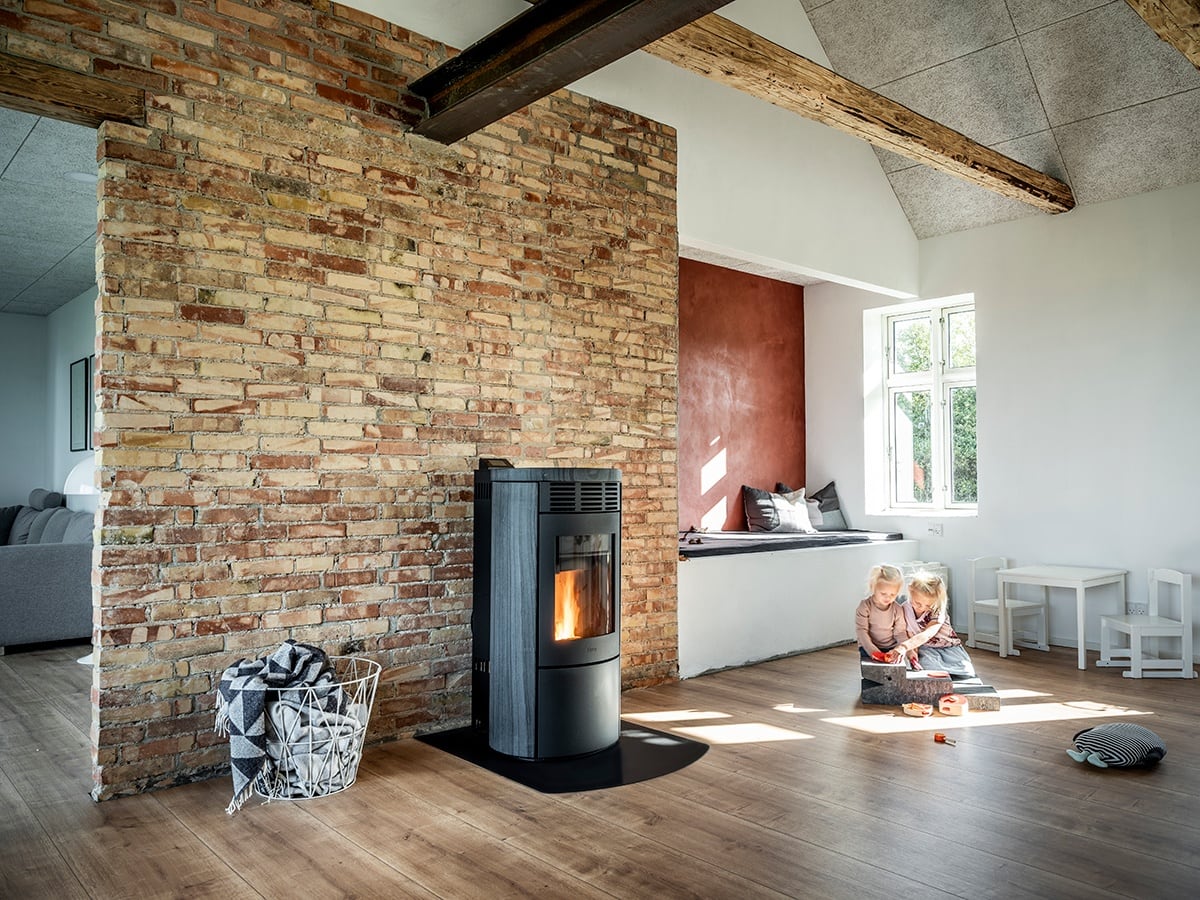
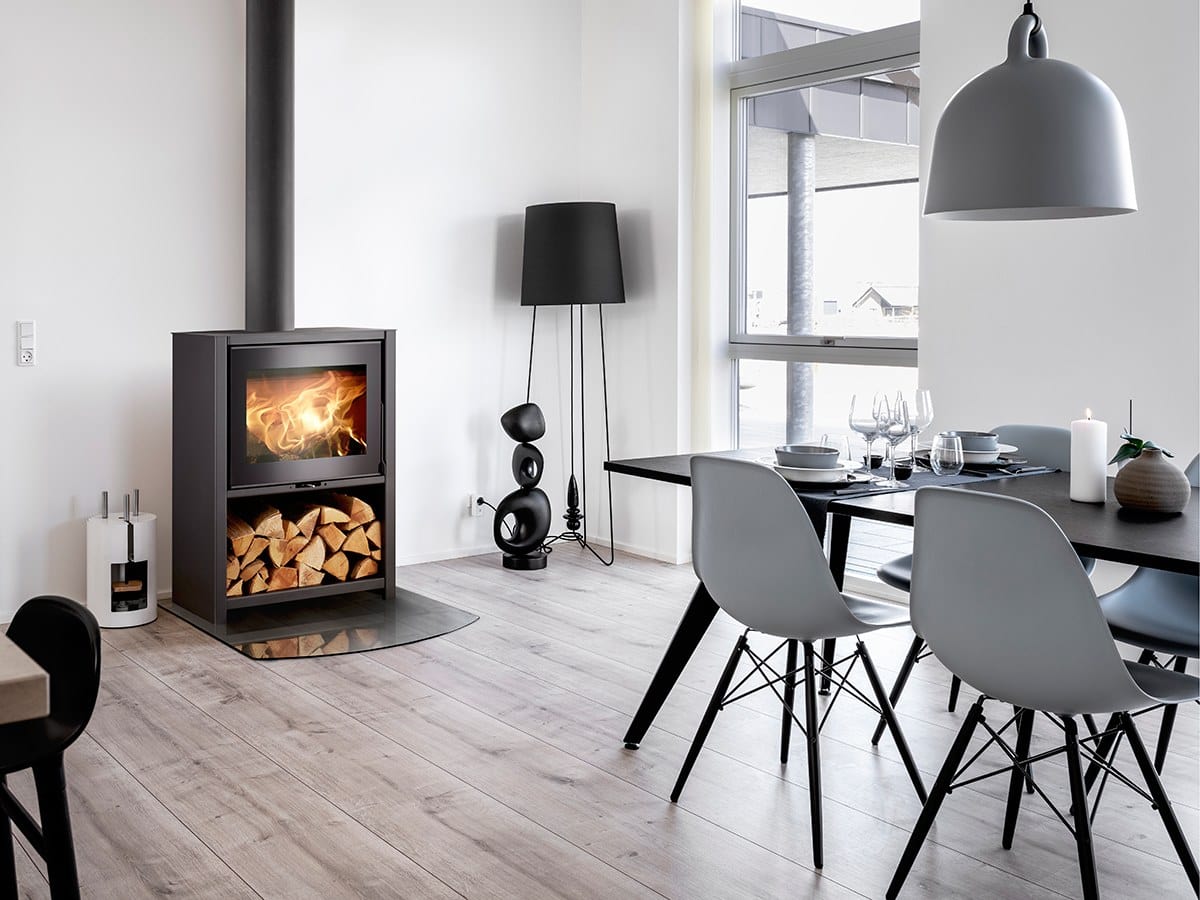
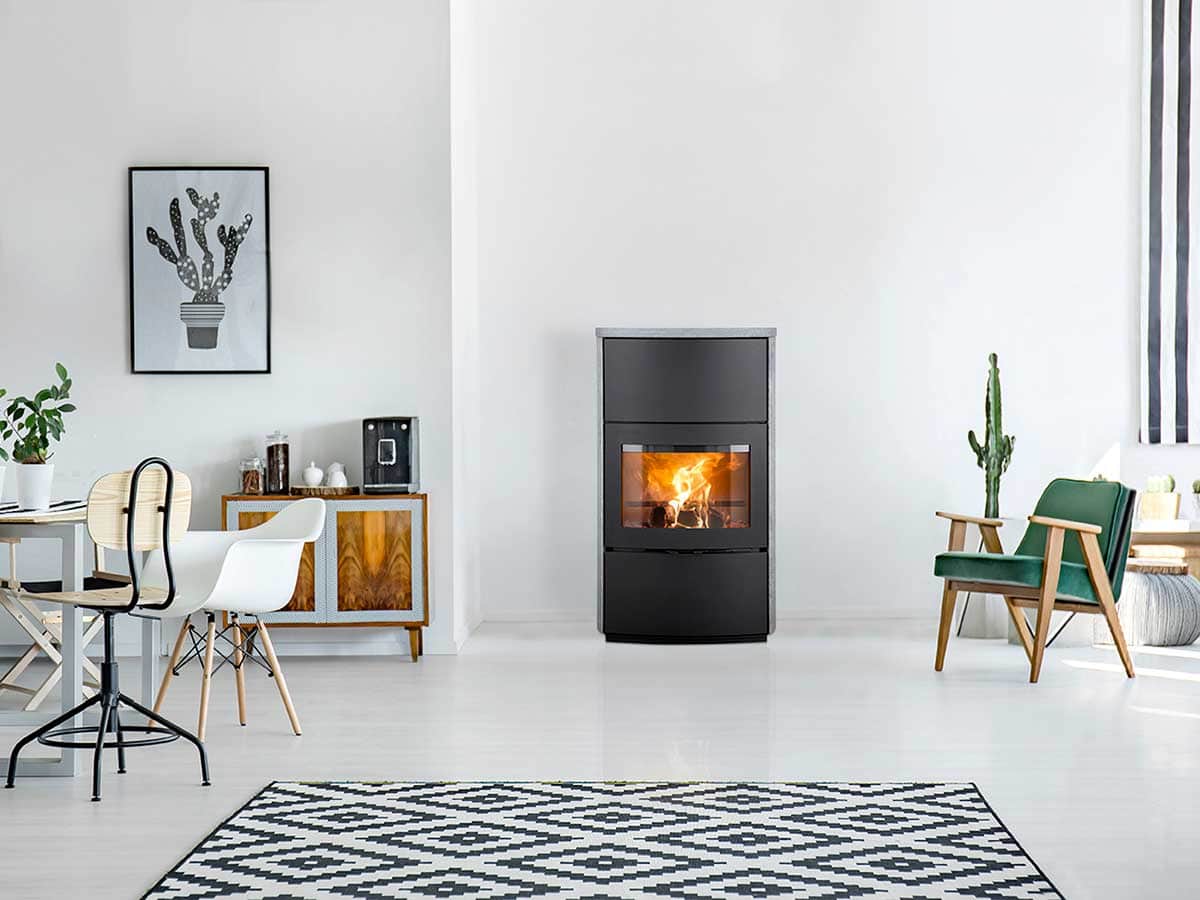
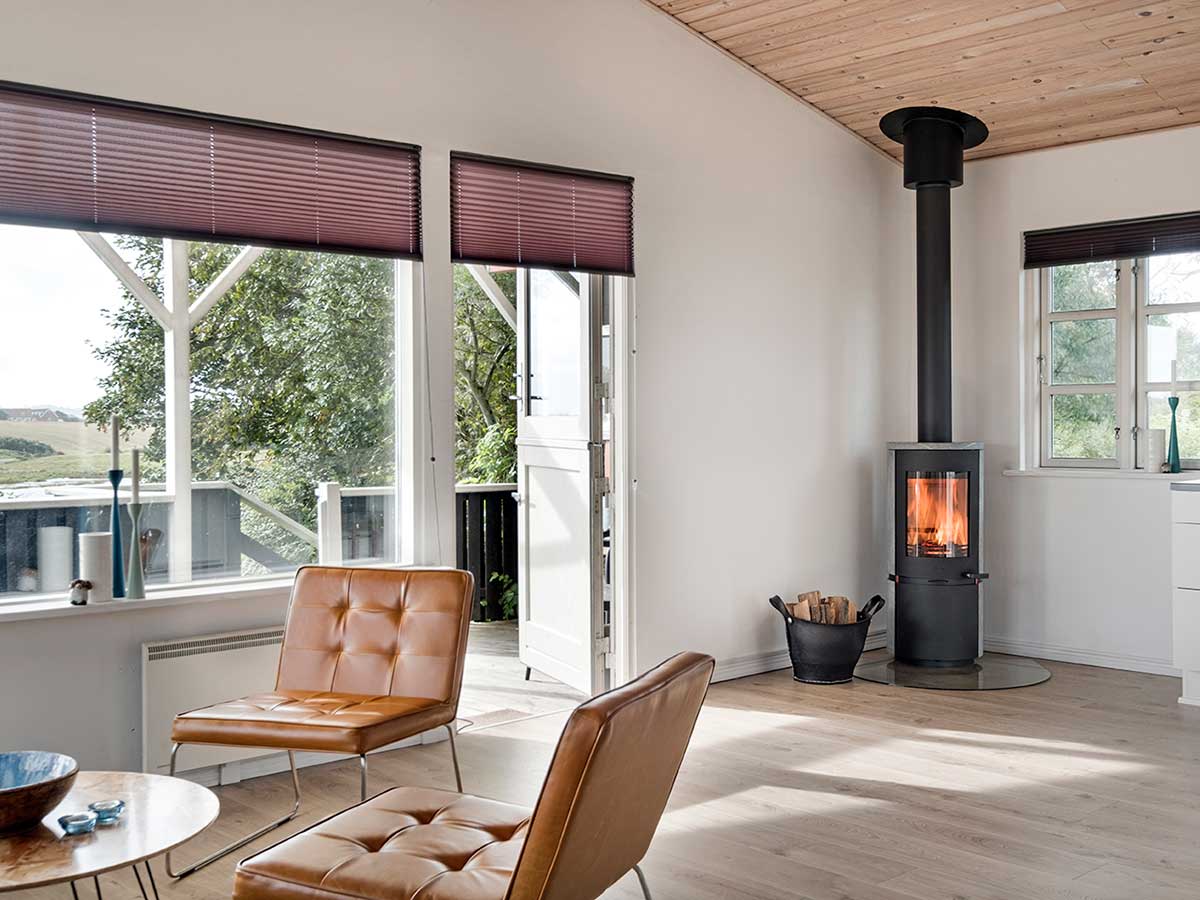
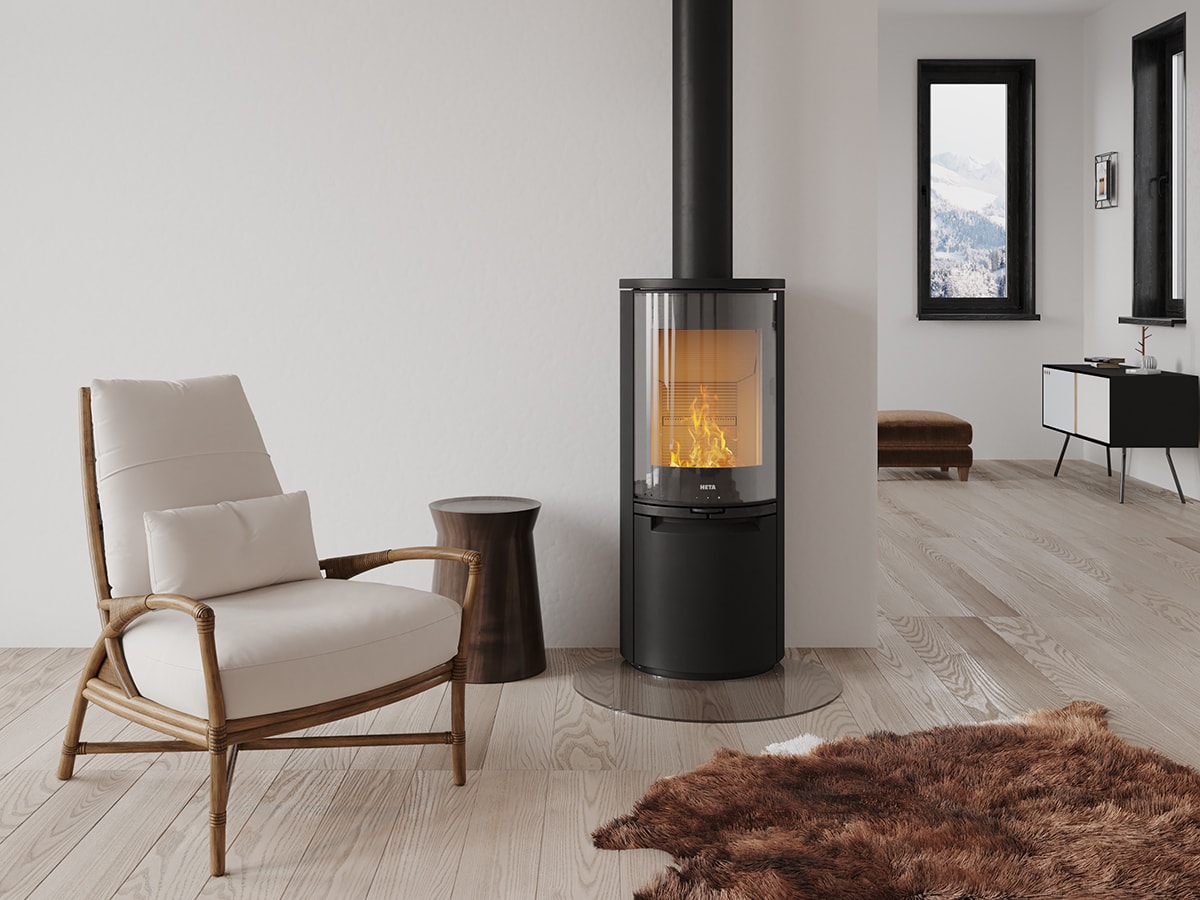
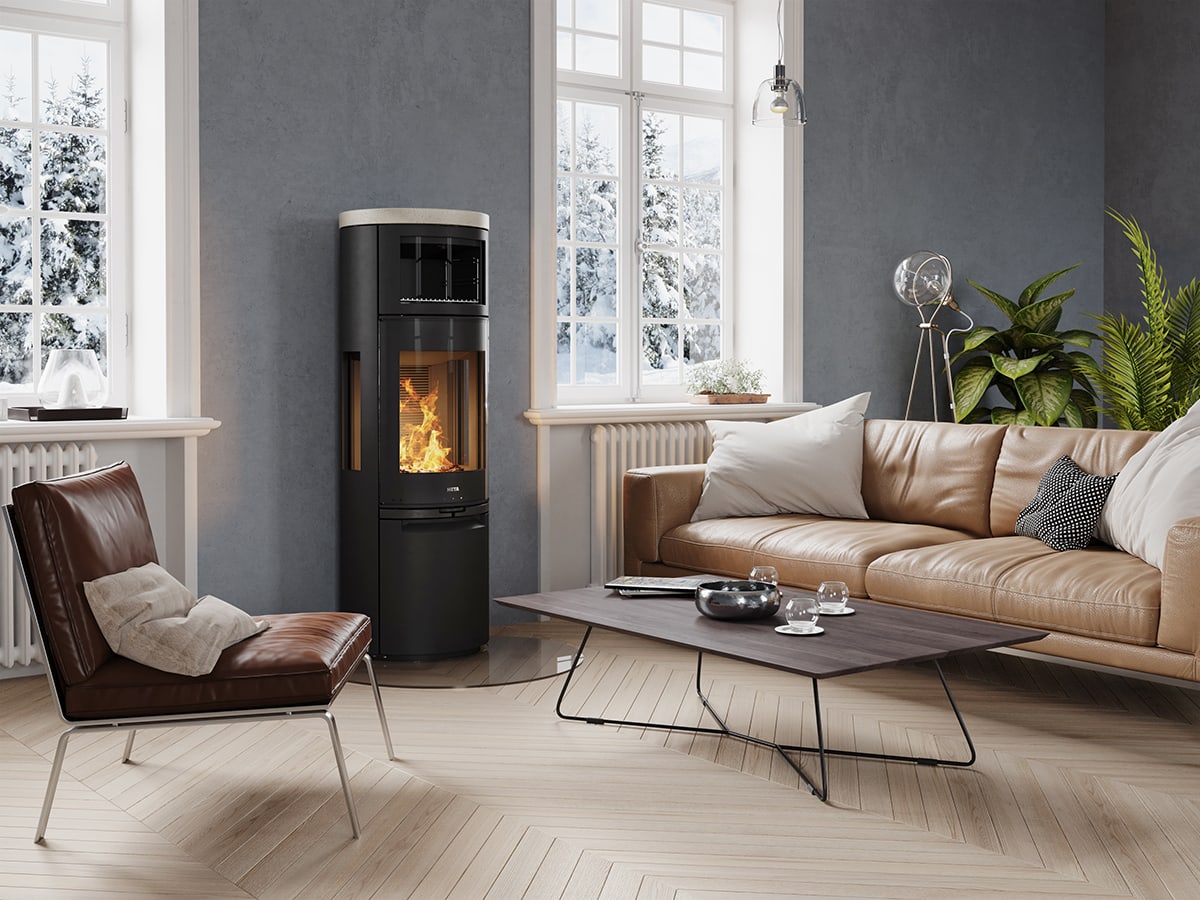
Check out the gallery for inspiration



Search